Learning how to identify variables in biology experiments starts with separating three jobs: what researchers change, what they measure, and what they keep the same. In a plant growth question, the word water can appear in more than one answer. Researchers might change what is dissolved in the water while keeping the volume of liquid the same. Naming the specific feature, not just the object, is what makes your answer clear.
Start with the procedure, not just the aim. An aim such as “to test how fertilizer affects plant growth” points you toward the variables, but it does not tell you how fertilizer is supplied or how growth is measured. The procedure gives you the details you need.
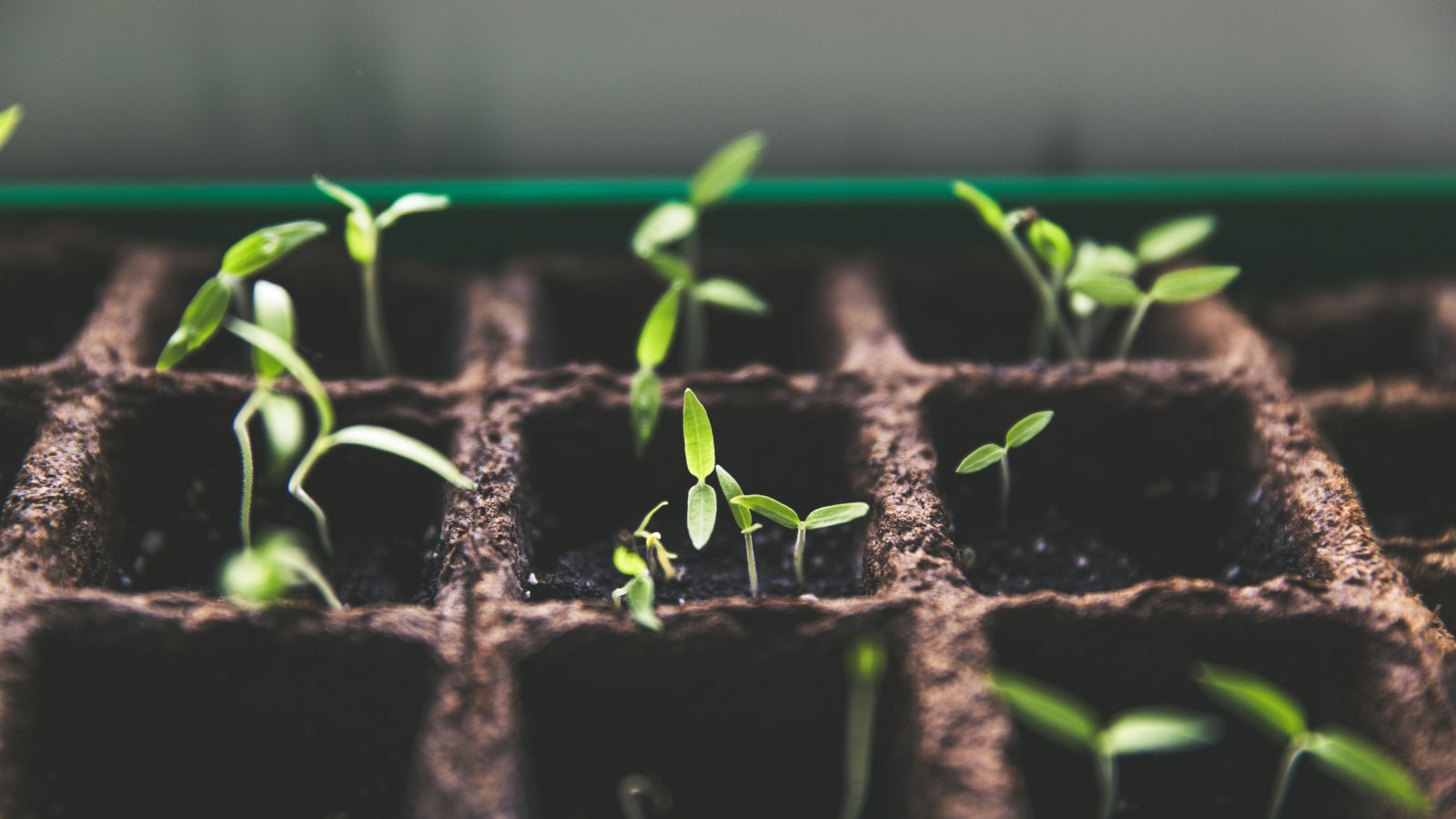
Researchers assign similar bean seedlings to three groups. Each pot receives the same volume of liquid on the same watering schedule. One group receives plain water, one receives water with a low concentration of dissolved fertilizer, and one receives water with a higher concentration. The researchers use the same pot size and soil type and give all groups the same light schedule. They measure each seedling's height at the start and again after two weeks, then calculate its change in height.
On a test, mark the phrases that tell you how the groups differ, how the researchers record the outcome, and which conditions the groups share. In this example, “same volume” and “higher concentration” refer to different properties of the liquid. You can change one without changing the other.
The independent variable is the factor the researchers deliberately vary in this experiment: the concentration of fertilizer in the liquid given to the seedlings. Plain water is the zero added fertilizer level. Low and higher concentrations are two other levels of the same variable. They are not separate independent variables.
The dependent variable is the outcome used to assess the effect of the treatment. Here, it is the change in seedling height over two weeks. If a seedling starts at 6 cm and ends at 10 cm, its change in height is 4 cm. The initial and final heights are measurements used to calculate that outcome. A question that instead asks researchers to compare final heights would use final height as the outcome.
“Fertilizer” and “growth” are useful notes, but they are less precise as final answers. Growth could mean an increase in height, an increase in mass, or a change in some other measure. Fertilizer could vary by type, concentration, or frequency of application. Use the wording of the procedure to name the exact factor and outcome.
The control group is the set of seedlings that receives plain water. It provides a baseline for comparing growth without added fertilizer in the watering liquid. Being in the control group does not mean the seedlings get no care or do not grow. They still receive water and light, and the soil may already contain nutrients.
A controlled variable is a condition the researchers keep the same across groups. In this experiment, examples include liquid volume per pot, watering schedule, pot size, soil type, and light schedule. Keeping liquid volume the same lets the researchers compare fertilizer concentrations without also changing how much liquid each pot receives.
Use a quick wording check. If the answer names which seedlings provide the baseline, it names a group. If it names which condition stays the same, it names a controlled variable. “Seedlings given plain water” names the control group. “Volume of liquid given to each pot” names a controlled variable. “Zero added fertilizer” names the level of the independent variable that the control group receives.
Calling a condition “controlled” also does not mean that every seedling is identical. The phrase “similar bean seedlings” does not establish that they all start at exactly the same height. If the question asks for two controlled variables, choose conditions the procedure explicitly says are the same rather than assuming a detail it never states.
Suppose the procedure says the plain water group receives 30 mL per pot at each watering, but the higher fertilizer concentration group receives 60 mL per pot. Liquid volume is no longer a controlled variable. The groups now differ in both fertilizer concentration and liquid volume. If their height gains differ, this comparison alone cannot show which change caused the difference.
If an exam asks you to improve that design, write the specific fix: give every pot the same volume of liquid at each watering while still varying the fertilizer concentration. “Make it a fair test” states the goal, but it does not say what to fix.
Be equally careful about details the procedure leaves out. If it says nothing about temperature, do not list temperature as a condition the researchers kept constant. If the question asks what else should be controlled, temperature can be a reasonable suggestion because it can affect plant growth. The difference is between reporting what the researchers did and proposing an improvement.
Try this version before reading the answer. Researchers grow bean seedlings under identical lamps with the same brightness at plant level, but switch the lights on for 8, 12, or 16 hours each day. The 12 hour group follows the lab's usual schedule and serves as the comparison group. All pots have the same soil type and receive the same volume of water on the same schedule. After two weeks, the researchers count the new leaves that appeared on each seedling.
The independent variable is hours of light per day, not lamp brightness. The dependent variable is the number of new leaves per seedling over two weeks, not the total number of leaves at the end. The 12 hour group is the control group because the researchers designated the usual schedule as their baseline. The control group does not have to receive zero of the factor being tested. Lamp brightness, soil type, water volume, and watering schedule are controlled variables.
When you work through IBioC training and practice problems or other exam preparation articles, try writing the treatment levels, the measured outcome, and the shared conditions on separate lines. For the light question, underline “new” in “new leaves.” That one word separates a count of what appeared during the experiment from a count that includes leaves already present at the start.
Is a control group the same as a controlled variable?
No. A control group is a set of subjects used for comparison. A controlled variable is a condition kept the same across groups.
Does the control group always get no treatment?
No. It can receive a standard treatment or follow a usual schedule if that is the baseline the researchers want to compare against.
Is plant growth a precise dependent variable?
It describes the general outcome, but use the specific measure from the question. For example, write change in seedling height over two weeks.
About the International Biology Competition: an online biology competition for high school students from around the world. How the rounds work